The phrase good vibes books describes comforting, mood-lifting reading; it is a loose phrase tied to book vibes and fall vibe books, not to a named publisher. In a small home the real question is how to keep such books close without losing floor space.
| What it means | Mood-led reading, not a fixed genre |
| Named publisher behind it | Not established |
| Space-saving trick | Go vertical and rotate titles |
| Related searches | fall vibe books, book vibes, good vibes |
| Cheapest source | The local library |
| Check first | Read a sample and content notes |
The goodvibes label and why it needs context
Nothing in this post comes from a company page. The one address tried, goodvibes.com, blocked an automated visit, and no other source named an owner. The phrase itself is common and belongs to no single party.
In a small home it comes down to a practical point: if every comforting title ends up on the floor, the vibe is lost.
Because the phrase belongs to nobody in particular, its use varies by community. On shelving and decor pages it means something that sits comfortably in a room; on reading pages it means a mood. In a small flat the two meanings collide, which is the subject of this post.
Space is the limiting factor, so each section gives a concrete way to keep the books you love without losing floor area.
Making book vibes fit a small room
Book vibes can survive in a studio. A single wall shelf above a sofa, a narrow ledge or a trolley by the bed will hold a seasonal handful. The look comes from a chair, a lamp and a few chosen spines, not from volume.
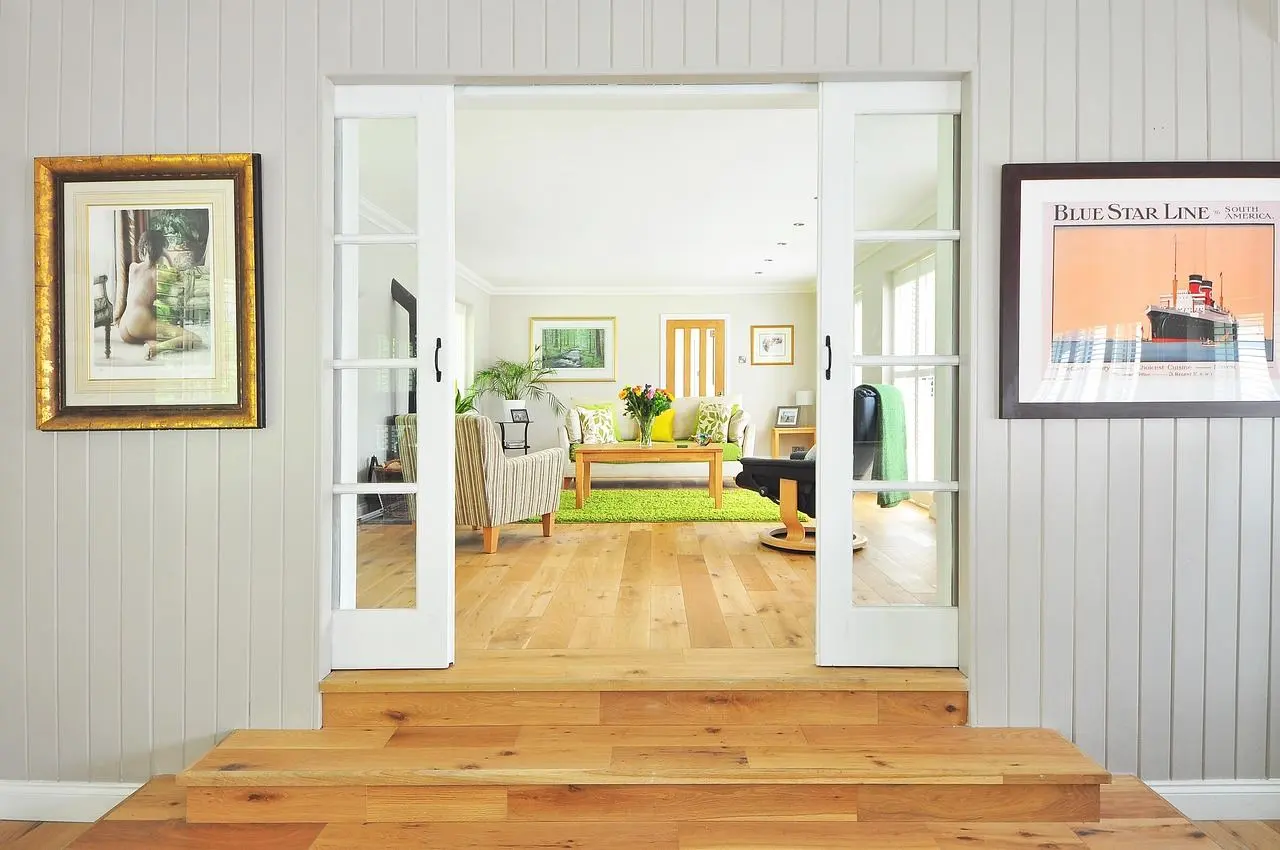
Measure before buying shelving. Leave at least a hand’s width above each row so that books can be pulled out easily.
Wall-mounted ledges are the usual small-space answer. A shallow picture ledge holds covers facing out, which doubles as art. Fix it to a stud or use proper anchors, since books are heavier than frames.
Alternatives include a rolling cart that slides beside the sofa, or a narrow bookcase tucked into an alcove. Whatever you choose, keep walkways clear.
Storing good vibes books where space is tight
Rotate. Keep five to ten current reads in sight, and pack the rest into a box under the bed or on a high shelf. Libraries help because their books leave when you finish.
- Use vertical wall shelves rather than floor units.
- Stack horizontally to use odd gaps.
- Keep one basket for the daily stack.
For books you rarely need, a lidded box under the bed or on top of a wardrobe protects against dust. Label the box with the contents so you do not unpack everything to find one title.
Digital copies and audio books also save space, and many libraries lend both. A phone or e-reader holds a season’s reading without a shelf.
Fall vibe books and a seasonal swap
Autumn is the natural point for a swap: summer reads go into storage and slower, atmospheric titles move to the front. Fall vibe books lists tend to feature cosy mysteries, family stories and nature writing. Pick what suits you, not the trend.
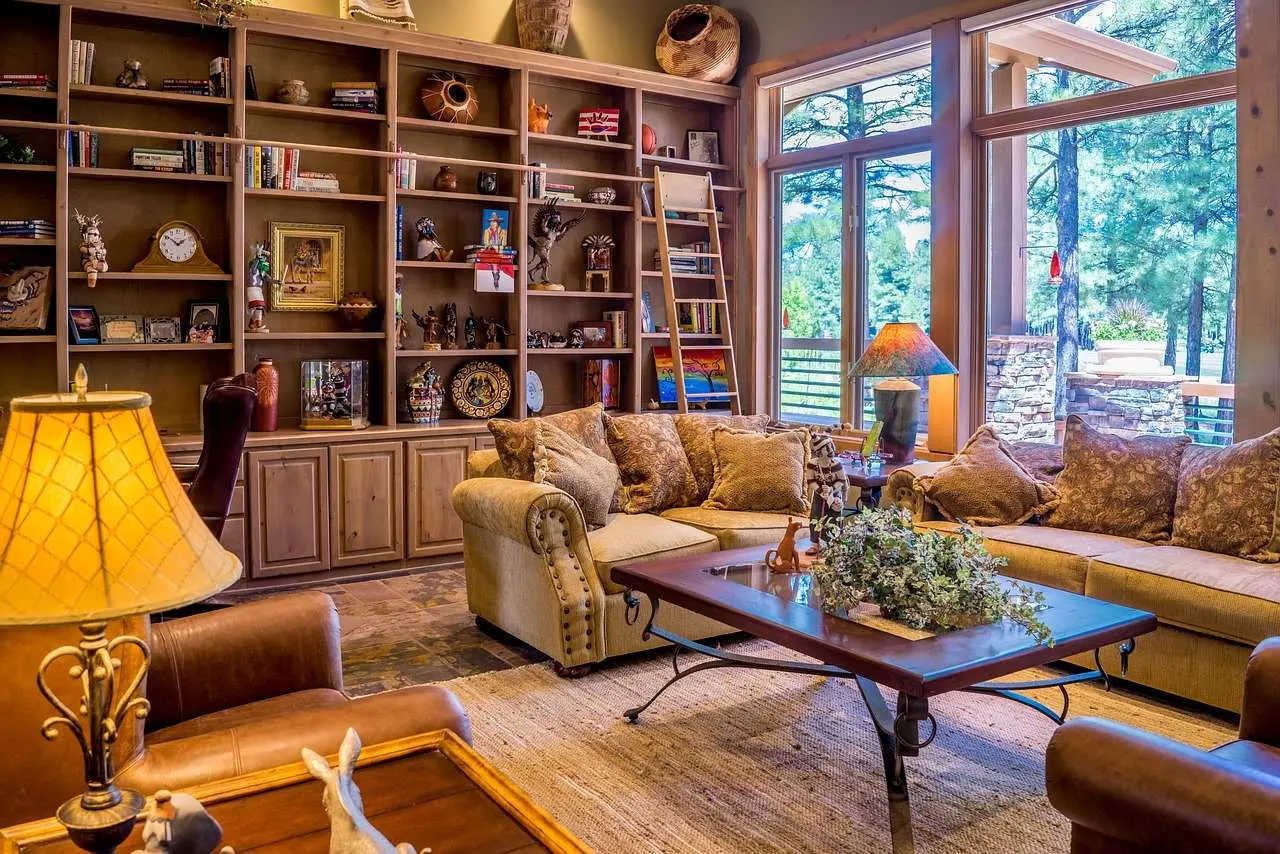
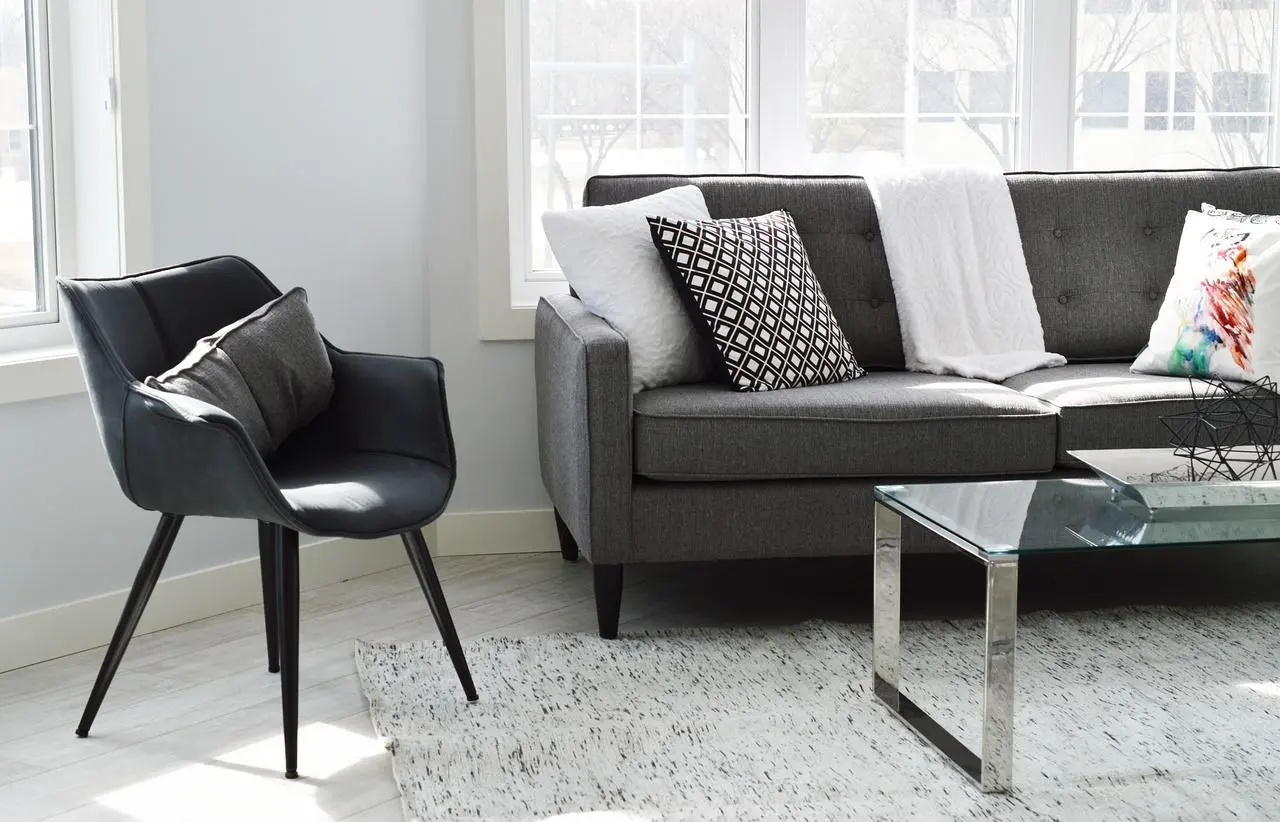
A small chair beside a window with a throw is enough of a reading nook.
Put the lamp where the light falls over your shoulder onto the page. A small side table next to the chair keeps a mug and a bookmark in reach. In a tight room, a pouffe doubles as a footrest and spare seat.
If the window is the only reading spot, a deep sill with a cushion works. Check for draughts and use a throw in cold weather.
Choosing goodvibes titles without crowding the shelf
Be selective. Before a book earns a place, ask whether you will reread it or lend it. If neither, borrow it instead. Content notes in library catalogues help avoid books that clash with the mood you want.
A good vibes shelf is edited, not large.
A yearly edit helps. At the end of each season, pull out anything you did not finish or will not reread. Donate to a library sale, swap with a neighbour or list it second-hand. The shelf you are left with is the one that fits the room.
Keep a short wish-list in your phone instead of buying on impulse. A week later, half the list will no longer feel urgent.
Doors, light and sightlines for a goodvibes reading corner
Position reading chairs so they are not in a walkway. Wide doorways and open sightlines make small rooms feel larger, so avoid placing tall bookcases where they block them. A lamp with a warm bulb beside the chair keeps the corner inviting after dark.
Keep paper away from radiators and direct sun.
Think about how the room is used. A reading corner in a bedroom should be quiet and dim, while one in a living area can handle brighter light. Rugs mark the corner out visually without any walls.
Finally, keep the path from door to chair open. Small rooms feel larger when you can cross them in straight lines.
Test the corner for a week before you buy anything to finish it. Notice whether you actually sit there, whether the light suits the hours you read, and whether anything needs moving. Adjust one thing at a time so you can tell what helped.