Tired of tripping over toys? These toy storage ideas work best when your kids can see, reach and put things back themselves. Keep fewer toys out, store them low in open bins or shelves, and rotate the rest every few weeks.
This guide is one part of our wider coverage of home organization, which looks at other rooms too.
| Item | Value |
|---|---|
| Size of the Motherly storage guide | 20 kids’ toy storage solutions |
| Motherly guide last updated | Jan. 07, 2025 |
| Height of one low-profile bookcase example | 38 inches |
| Wood storage bin with attached lid, listed price | $25 |
| Clear bin organizing bags, listed price | $15.99 |
| Rotation of stored overflow toys | Every few weeks |
The figures come from Motherly’s kids’ toy storage guide and Danielle Moss’s Montessori-inspired toy organization post. Prices and listings can change, so check the sources before you rely on them.
Why kids ignore toys they can’t reach
In Danielle Moss’s account, a new toy is exciting at first, but interest fades quickly when it is stuffed in a cabinet or always accessible. Her cabinet full of bins went mostly unused because her kids could not get to them easily, while the toys left on display got heavy use. You can read her full story in the original post.
Her fix borrowed from the Montessori approach, which relies on open shelves and rotating toys to keep a space organized and to promote independence in children. She is clear that it is not all or nothing, and that you should do what works for your home.
Start with a toy edit
Before you buy a single bin, work out how many toys your kids actually play with. A toy edit is the step that makes every later storage choice easier.
- Go through every basket, the play kitchen and the toy cabinet, and make piles of toys that get used and toys that don’t.
- Put the overflow into a couple of bins stored out of sight, away from the play area.
- Swap those bins with what is out every few weeks, so older toys feel new again.
- Pass on toys your kids have outgrown or lost interest in.
Moss recommends doing the sorting without your kids around, since it is no small task. She also notes that having less out keeps kids engaged and cuts clutter in the rest of the house.
If you have no basement for the stored bins, flat containers in the bedroom can do the job, and our under bed storage ideas guide covers that option.
Open shelves, baskets and bins: what to choose
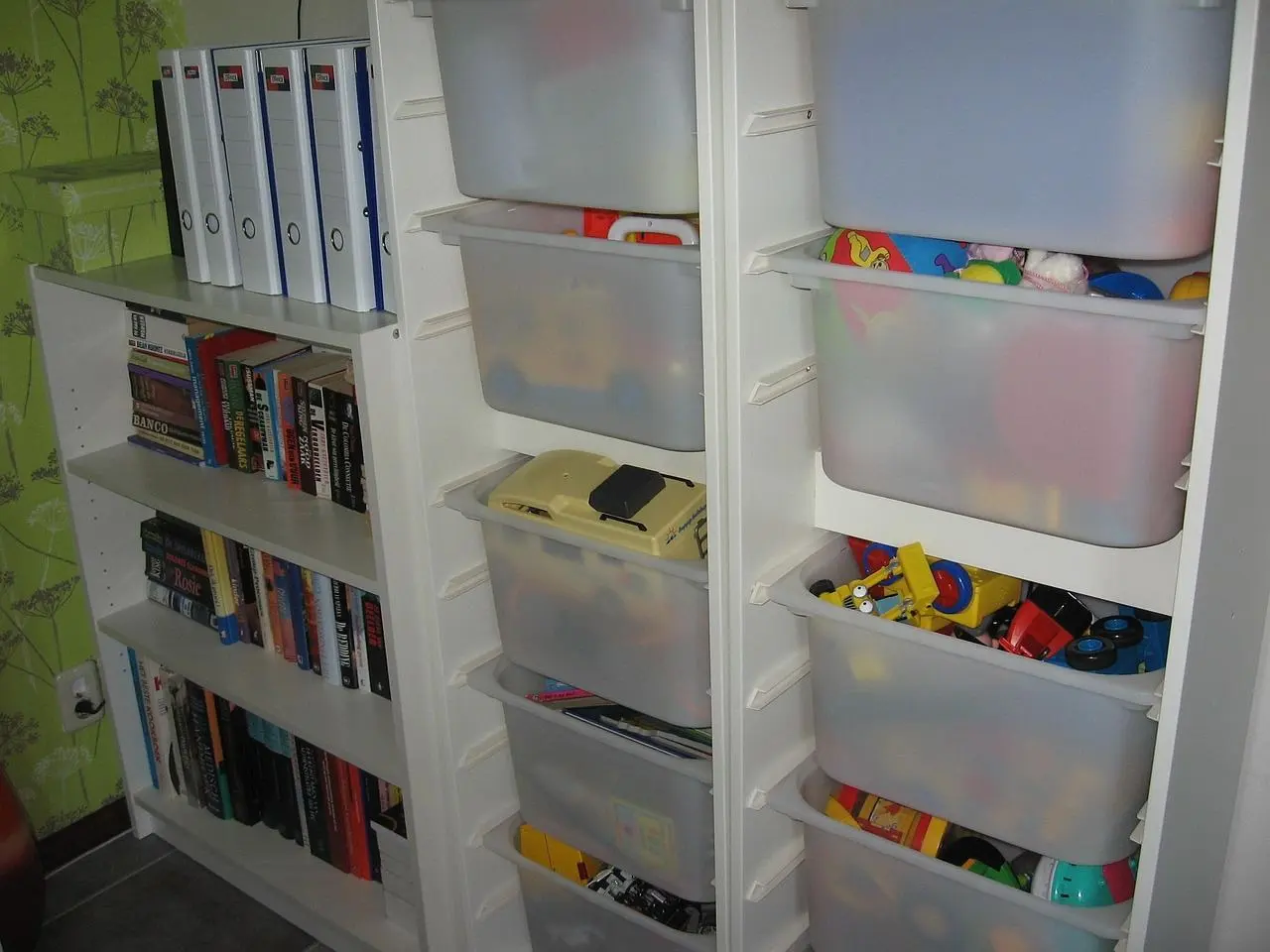
The most useful rule is height. Moss says storage at a level that suits children is ideal, and a Montessori-style shelving unit should sit where your child can easily reach it and be completely open.
Baskets are a simple starting point. She finds that toy baskets look nice, let you store toys by type and make clean-up a breeze, and your kids can see what they have in front of them.
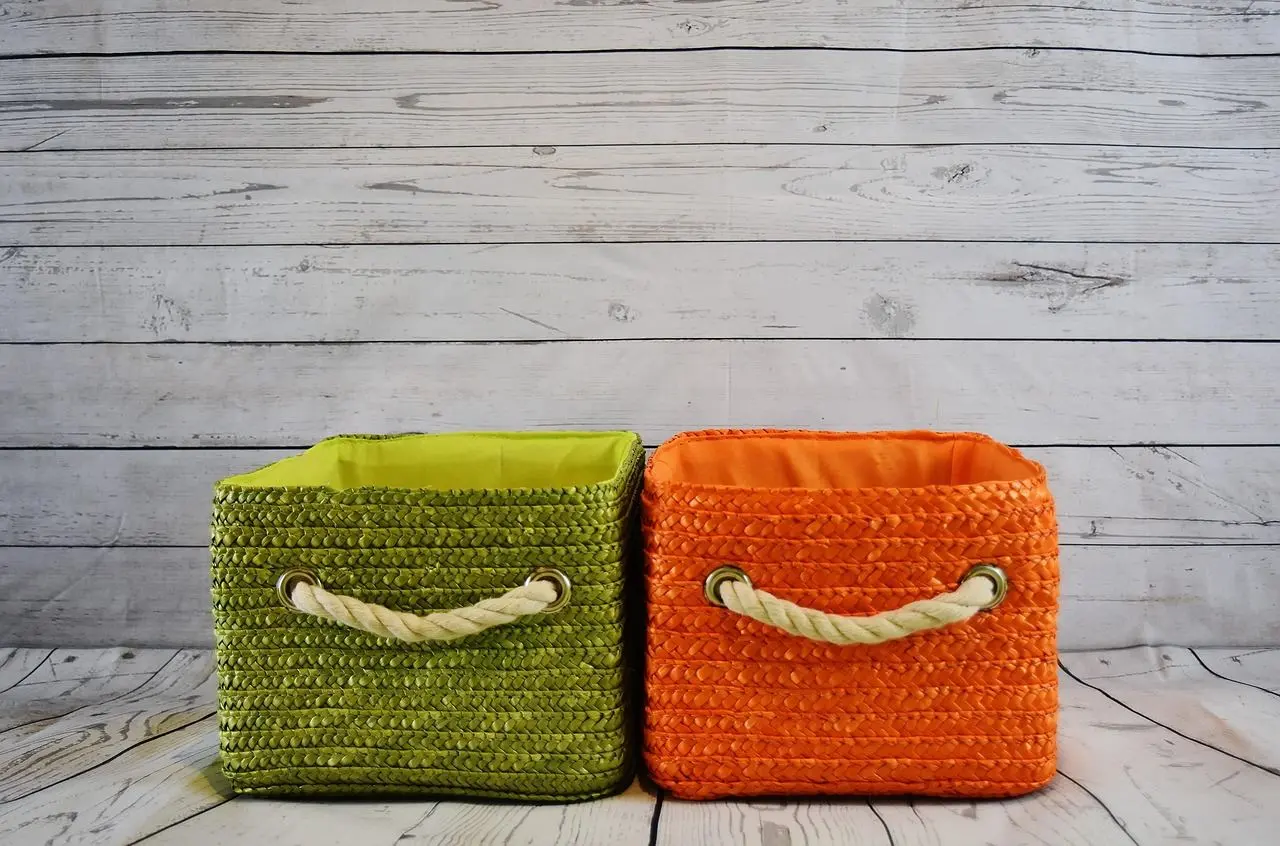
Your floor space matters too. Moss says baskets suit a home with more floor space, and that you can then keep bigger items, such as an ice cream cart, out instead of in a closet.
If you want ready-made shelving, her IKEA storage units held a lot, and she describes them as great for the job. Cubbies, open bins and baskets all work, and they come in sizes to fit the toys you own.
Match the container to the toy
One container rarely suits every toy. These pairings come straight from Moss’s setup:
- Small pieces: lidded plastic bins, which she prefers in solid colors with labels for the look.
- Toys your child gets out alone: clear bins, which suit little kids who can’t read yet.
- Dress-up clothes: a child-size clothing rack, after the old pile went mostly unused.
- Art supplies: plastic boxes kept on higher shelves, so a spill is less likely.
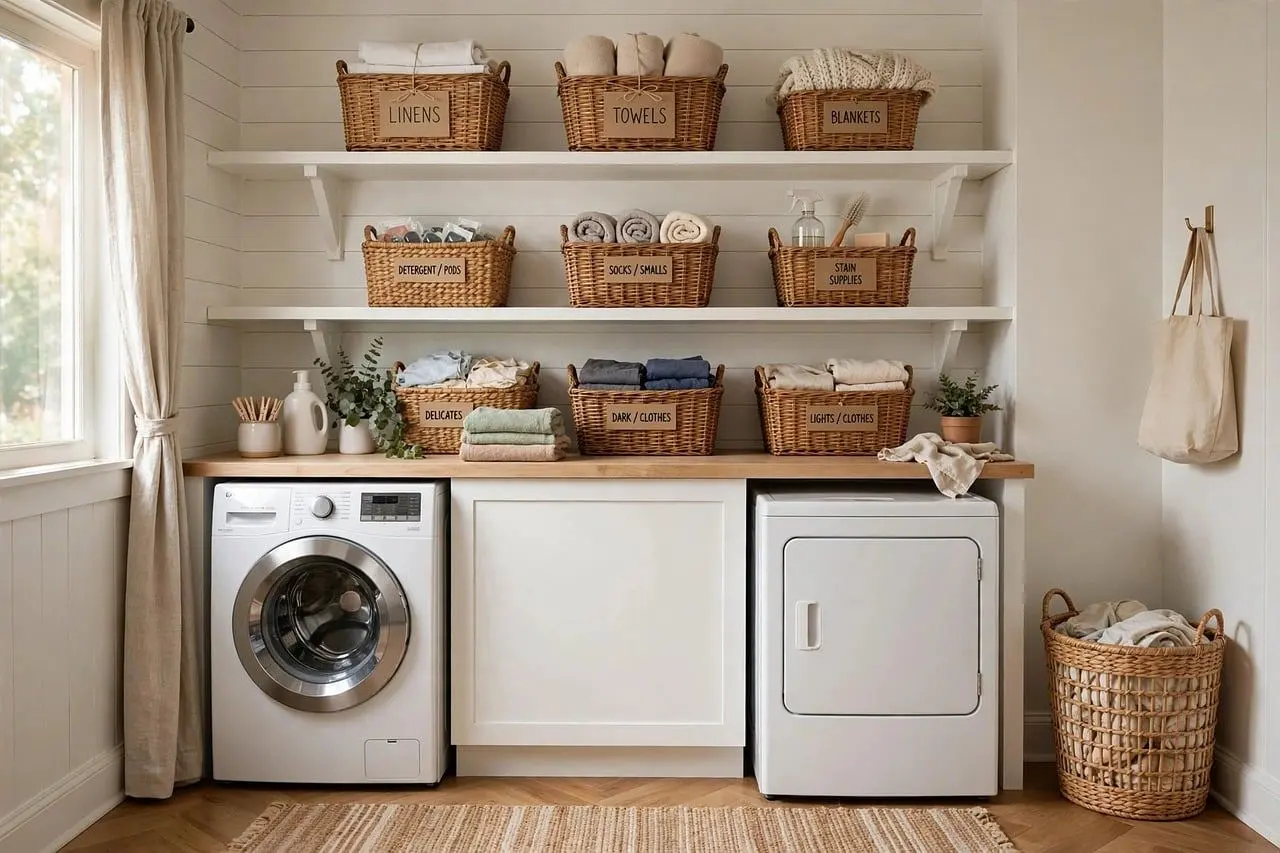
Dress-up outfits and soft toys eventually need washing, and the laundry room organization ideas guide can help you plan for that.
Examples and listed prices
If you want to see what ready-made storage looks like, Motherly’s guide collects 20 kids’ toy storage solutions, from Montessori shelves to ways of corralling LEGOs. A few listed prices give you a rough sense of the range.
| Example | Listed price |
|---|---|
| Stackable natural wood bins (Pillowfort) | $19.99 |
| Wood and fabric bin with attached lid (Pillowfort) | $25 |
| Clear bin organizing bags (MiniOwls) | $15.99 |
| Low-profile bookcase with built-in bin (Pillowfort) | $145 |
These prices are from Motherly’s guide, updated Jan. 07, 2025, and may have changed since, so check the source before you rely on them. The brands appear only as examples, not recommendations.
The guide says the bookcase is just 38 inches tall, which keeps things within arm’s reach for little readers. It also describes the organizing bags as clear, so nobody has to dig for a particular truck.
How do you keep the system going?
A tidy shelf only stays tidy if the routine is easy. Moss says a monthly reminder on your phone makes a noticeable difference to the rotation.
Keep the daily part simple: everything has one low home, bins are easy for small hands to open, and the toy you can’t find is probably waiting in a stored bin. Review the system whenever your kids’ interests change.
Frequently asked questions
Are open shelves better than a toy box?
Show answer
Open shelves let children see their options and choose for themselves. In Moss’s home, toys on display were played with far more than those shut away. A lidded bin can still suit odds and ends you’d rather keep out of sight, as with the attached-lid wood bins in the Motherly guide.
How often should I rotate toys?
Show answer
Moss swaps her stored bins on a schedule of a few weeks and returns older toys after a break. She suggests a recurring monthly reminder so the habit sticks. Adjust the timing to how quickly your kids tire of what is out.
Should I choose clear or solid bins?
Show answer
It depends on who is using them. Moss prefers solid, labelled bins for how they look, but says clear ones are great when a young child who can’t read yet needs to find a toy alone.
What can I do with toys my kids have outgrown?
Show answer
Moss listed hers for free on Facebook Marketplace for a family who could use them. That clears space and gives the toys more years of use, according to her post.