Worried your prints will fight? Here is how to mix patterns in a room: share one color, vary the scale, and use no more than three patterns. You don’t need a perfect formula, just a few repeatable habits.
Pattern is one piece of the wider topic of interior design basics, so start there if you want the full picture.
| Item | Value |
|---|---|
| Patterns per area (designer rule of thumb) | No more than three patterns |
| Unifying colors to begin with | Three to five colors, with one primary |
| Example scale trio | Large floral, medium geometric, small stripe |
| Rug position under key furniture | At least halfway underneath |
| Large rug distance from the walls | About two feet |
These figures come from House Digest and Homes & Gardens. They are designer guidance rather than fixed rules and can change, so check the sources before you rely on them.
Start with one shared color
Patterns don’t have to match, but they do have to relate. House Digest lists a shared color, a recurring shape or a similar intensity as the usual links.
Color is the easiest of those to control. Homes & Gardens says the key to cohesion when you layer pattern on pattern is finding common ground through a shared color.
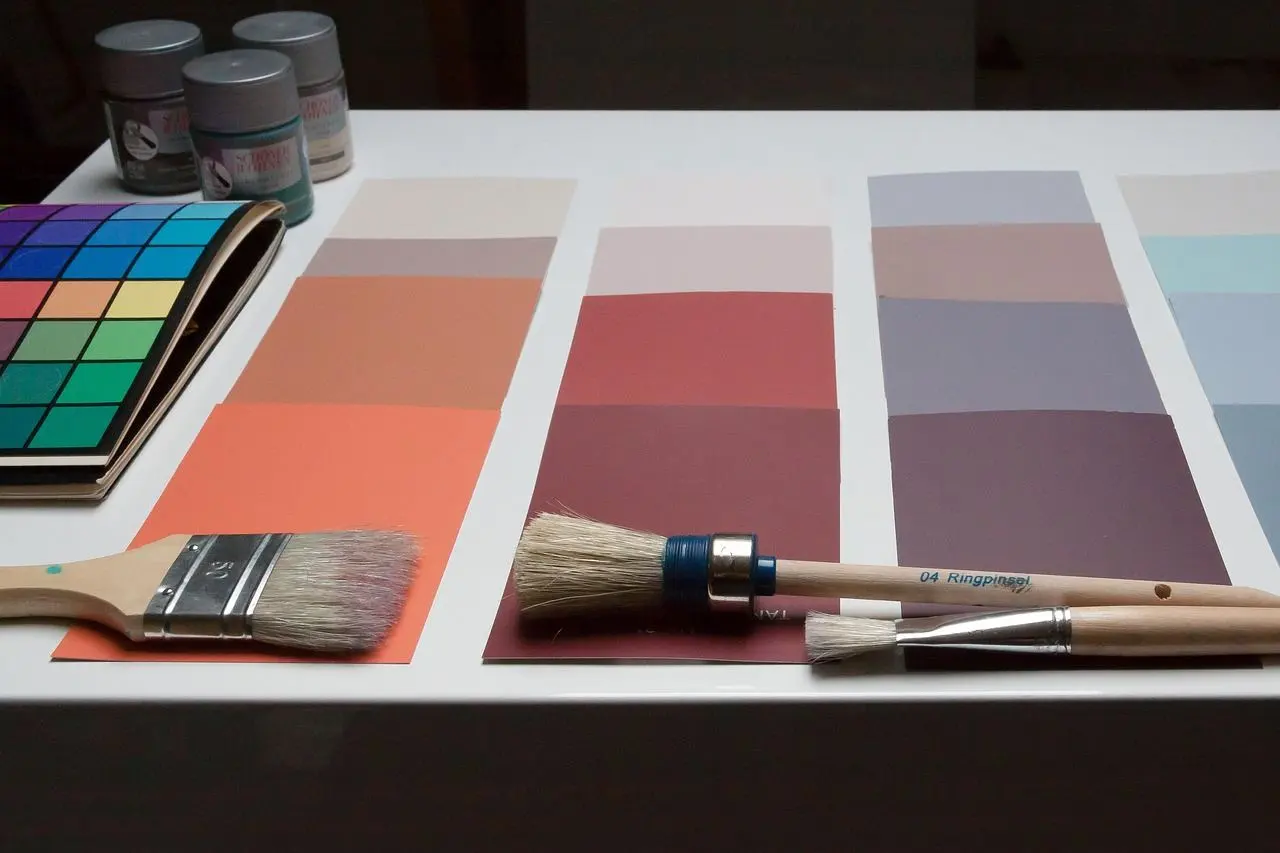
Designers also tend to pick a small palette first. According to House Digest, they often begin with three to five unifying colors and build the room around one primary color.
- Choose one primary color and repeat it, or a close variation, in every pattern.
- Use the remaining colors as accents on cushions, lampshades or trim.
- If you feel unsure, stay inside one color family, such as all blues, greens or warm neutrals.
That last option is the gentlest start, because House Digest notes that one color scheme lets patterns differ in size and style without the space looking messy.
Use scale to build a hierarchy
Scale is the size of a print’s motif, and it decides whether two patterns compete or cooperate. Homes & Gardens recommends large-scale prints on larger pieces and ditzy, finer patterns on smaller soft furnishings.
A workable trio is a large floral, a medium geometric and a small stripe. House Digest points out that the difference in size lets each print stand out instead of fighting for attention.
Interior designer Anna Haines suggests starting with one larger-scale design, then adding a smaller-scale pattern and perhaps a stripe that pick up colors from the larger one, as reported by Homes & Gardens. She then adds one or two textured plains, such as slubby linen or mohair.
Think of it as a visual hierarchy. Designer Tara McCauley says even a very pattern-rich room needs one, and that patterns too close in scale will look off balance, in the same Homes & Gardens piece.
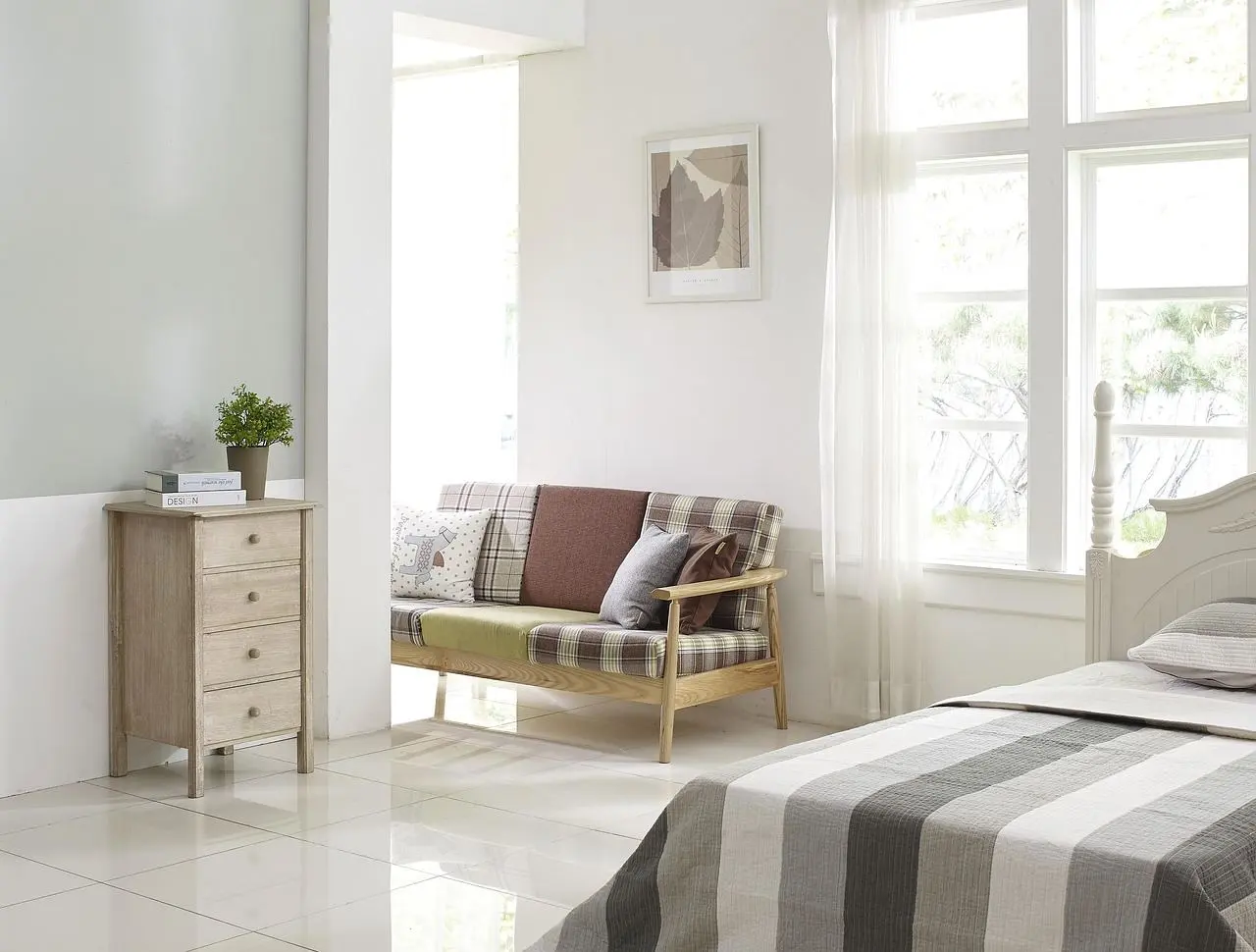
Mix pattern types and keep the count low
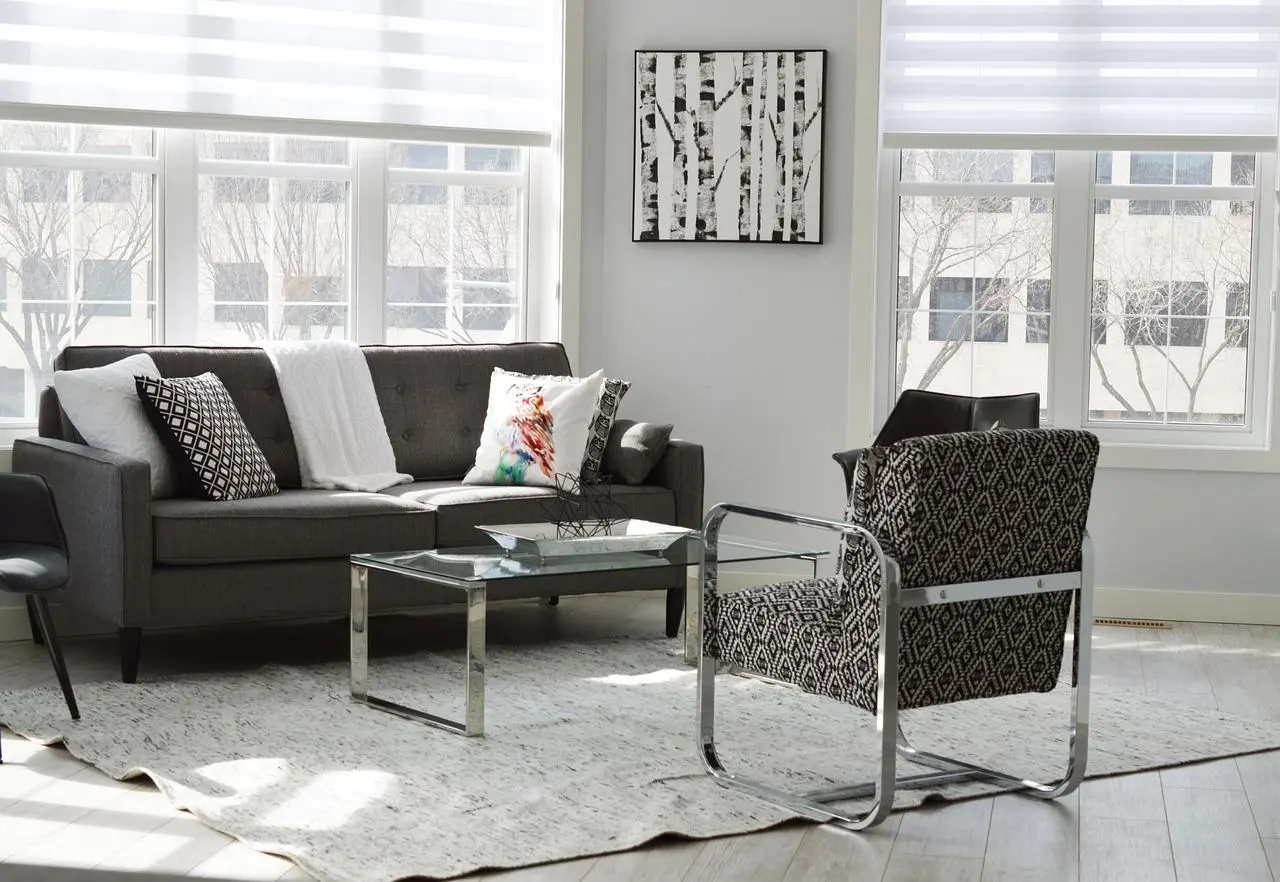
A room feels layered rather than matchy when the pattern types differ. House Digest says decorators often pair florals and stripes, or almost any pattern, with geometric designs.
To keep the mix under control, try these three habits:
- Repeat a shape: if the rug has curves, look for pillows with round flowers.
- Mirror angles: a wallpaper with geometric lines pairs well with a checked throw.
- Vary the character: put a bold graphic print next to something intricate or handmade-looking.
The shape tip comes from House Digest, which says repeated shapes link patterns even when colors and themes differ. The last bullet echoes Tara McCauley in Homes & Gardens.
As for how many to use, House Digest describes a group of three: one that stands out, one that is less intense and one that is quiet.
Give patterns room to breathe
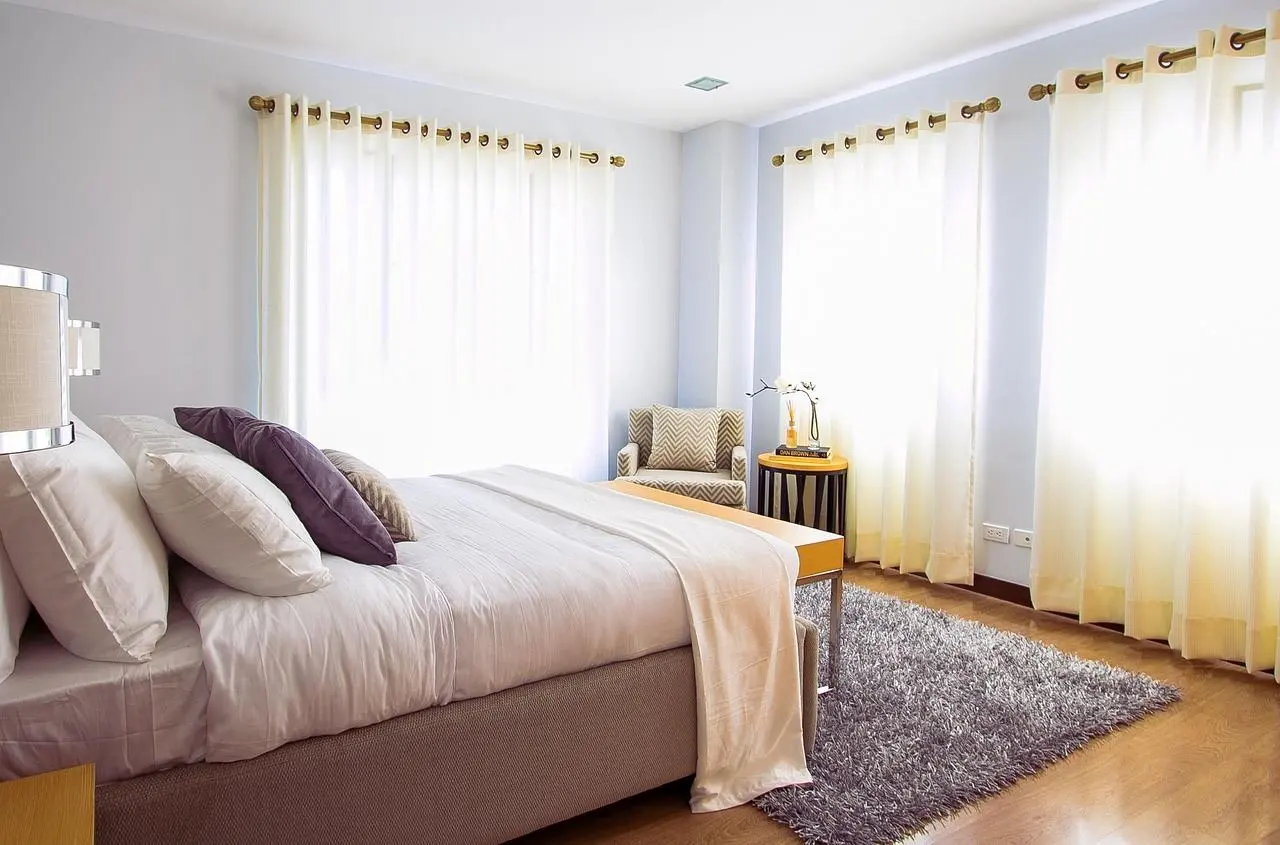
Restraint is what makes a bold print look intentional. Designer Sophie Ashby says that with a floral headboard she would choose plain cushions on the bed, and with a plain sofa she would go to town on varied cushions, as quoted by Homes & Gardens.
She also binds a patterned upholstered piece with a plain trim, which sharpens the pattern. The same source suggests reusing that trim color elsewhere to tie the scheme together.
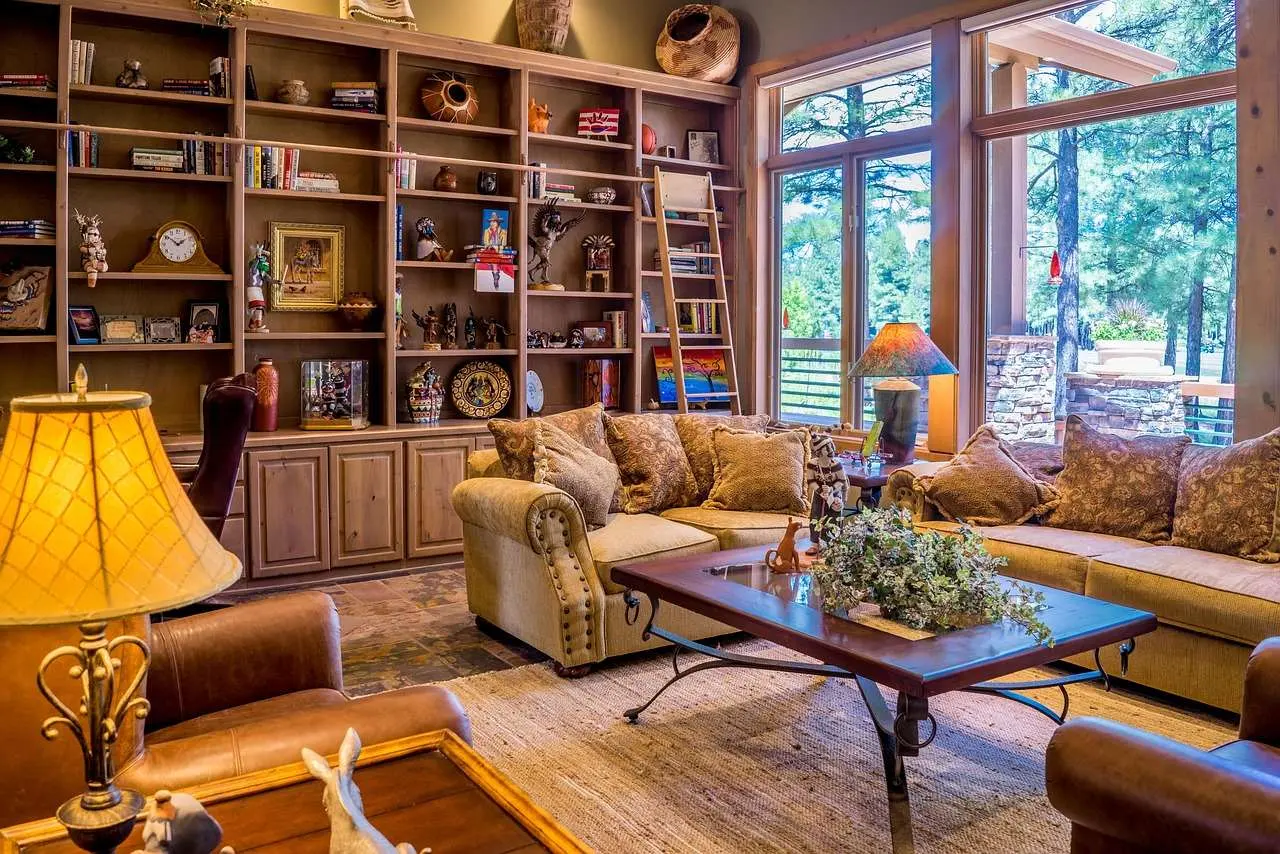
Beyond the textiles, the rest of the room should be calm. House Digest says that when a space has different patterns, the remaining pieces should be simple, and that wood accents such as an oak coffee table or woven cane details mellow strong prints.
Texture counts too. Sunset quotes designer Nancy Evars advising against layering similar fabrics, with velvet and mohair together as her example of too much in common.
Once the textiles are settled, lighting is the next layer, and it is covered in how to layer lighting in a room: how to layer lighting in a room.
Where should you start: the rug?
Many designers do. House Digest observes that an area rug usually carries the largest pattern in the room, so its colors and design set the mood for pillows, curtains and bedding.
Designer Penny Morrison goes further and says she always begins with a rug, because rugs are the hardest thing to match. In Homes & Gardens she adds that a rug should sit at least halfway underneath the key furniture.
Her favorite approach in a large room is to go as large as possible and stop about two feet from the walls, according to the same article. For sizing in more detail, read what size rug do I need before you decide.
Layer in order, then edit
When you are ready to build the scheme, a simple order keeps decisions manageable:
- Pick the primary color and a couple of supporting shades.
- Place the largest pattern on the biggest element, such as the rug or curtains.
- Add a smaller-scale pattern in shared colors, then a stripe or geometric.
- Bring in one or two textured plain pieces and some wood.
- Step back and remove anything that repeats another piece.
That last step matters. Sunset reports that designer Nancy Evars treats the process as editing: if a room feels busy, add one piece of decor and take another away rather than starting over.
Frequently asked questions
Do patterns in a room need to match?
Show answer
No. Matching isn’t the aim; a clear link is. A shared color, a repeated shape or a similar level of boldness is enough, according to House Digest.
Is it okay to use more than three patterns?
Show answer
Yes, if you like a fuller look. Three is the usual ceiling designers mention, but House Digest says a maximalist room can go beyond it, though most rooms look better within the limit.
What is the easiest place to begin?
Show answer
Cushions are a low-risk testing ground. Sunset quotes Nancy Evars calling throw pillows a great place to get your feet wet with pattern.
Can I combine two florals?
Show answer
You can. The trick is to make one noticeably bigger than the other, as House Digest advises.