Standing in a showroom or staring at an empty floor, you’re asking what size rug do I need. Short answer: measure your furniture layout, then pick a rug that fits the room with a visible floor border around it.
This guide is part of our interior design basics series, which covers the core decisions behind a well-planned room.
| Item | Value |
|---|---|
| Dining rug beyond the table edge | At least 24 inches |
| Floor space around the perimeter when all furniture sits on the rug | 12-18 inches |
| 9’x12′ rug | Fits a 12’x18′ or larger living room |
| 8’x10′ rug | Fits an 11’x13′ or slightly larger room |
| 6’x9′ or 6.5’x9.5′ rug | Works best in an 11’x13′ or smaller living room |
These figures come from This Old House and Ruggable’s size guide. They can change, so check the sources before you rely on them.
Start by measuring the room and the furniture
Before you compare sizes, decide what the rug has to do. This Old House lists comfort, definition of spaces in open plans, furniture anchoring and visual balance as the reasons to be selective. That makes your furniture layout the starting point, not the size of the floor alone.
Measure in this order:
- Clear the room of any movable furniture so you can see the whole floor.
- Measure the length and width of the room and write them down.
- Measure the area where your furniture will sit, including pieces that stay.
- Outline each rug option on the floor with painter’s tape.
- Check the walking routes so you don’t create awkward transitions between floor surfaces.
The painter’s tape step is the cheapest way to avoid a costly mistake. Homes & Gardens warns that a rug of the wrong dimensions can detract from the room’s style, fail to do its job and even become a trip hazard.
Standard rug sizes at a glance
Most rugs are sold in a handful of standard sizes, so it helps to know what each one is typically used for. Treat the list as a shortlist to test with tape, not a rule.
| Size | Typical use |
|---|---|
| 2′ x 3′ | Small entryways or accent rugs |
| 3′ x 5′ | Compact spaces or layering rugs |
| 5′ x 8′ | Smaller living rooms or bedrooms |
| 8′ x 10′ | Medium-sized living rooms and bedrooms |
| 9′ x 12′ | Larger living rooms and open-concept spaces |
| 12′ x 15′ | Spacious rooms, or defining areas in open floor plans |
The uses above are taken from the This Old House rug sizing guide, and retailers may stock other dimensions.
What size rug do I need for a living room?
The living room is where most sizing mistakes happen, because there are three valid layouts. Pick the one that suits your room, then choose the size to match.
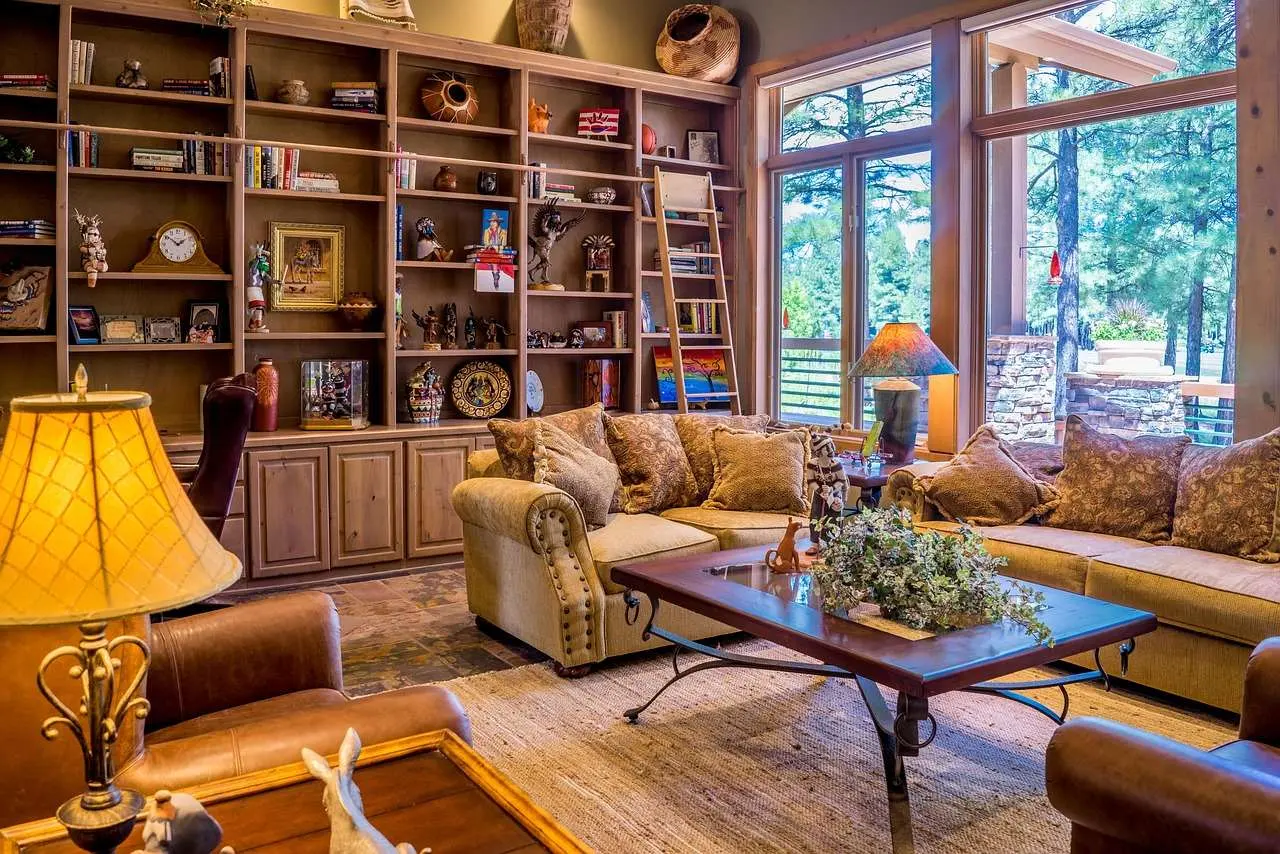
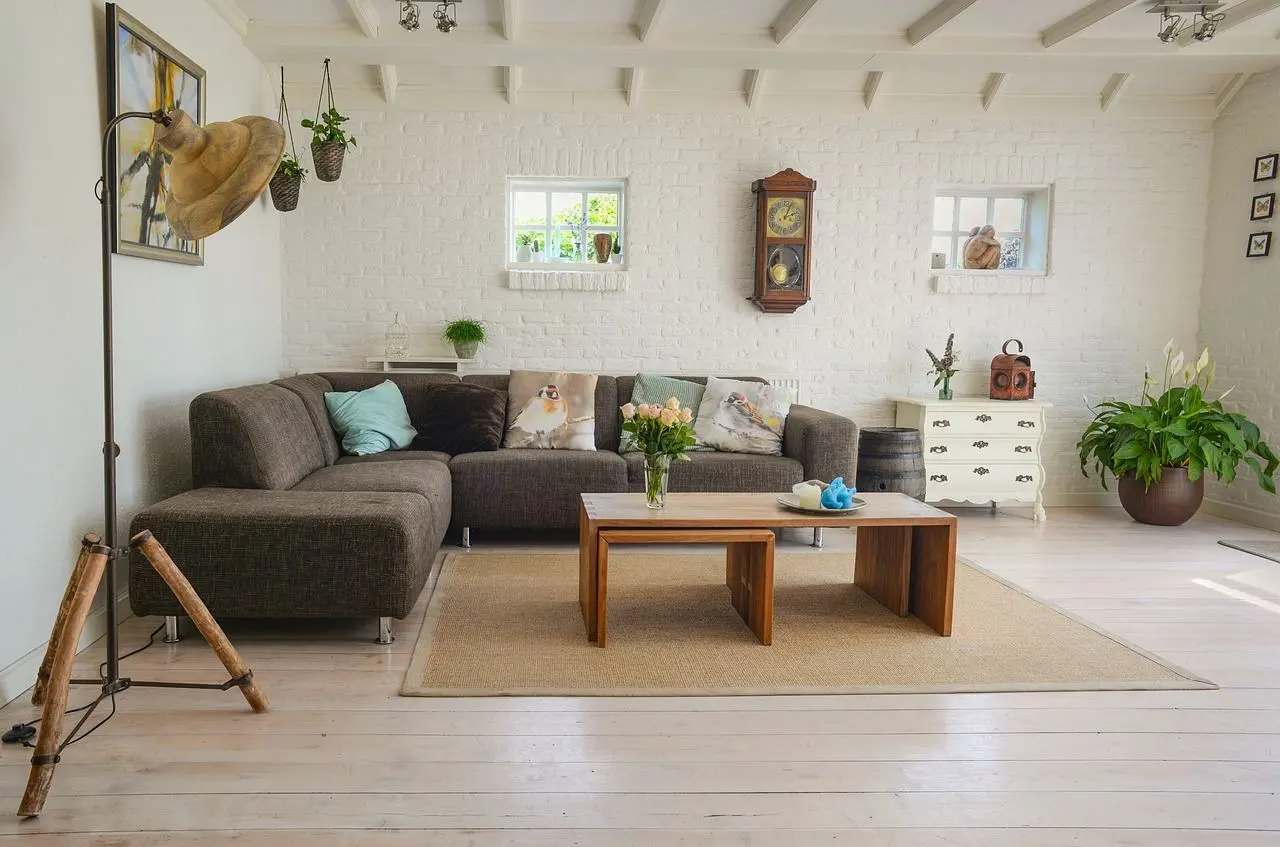
- All furniture on the rug: a large rug that holds every piece of seating.
- Front legs on the rug: a medium rug that the front legs of each seat rest on.
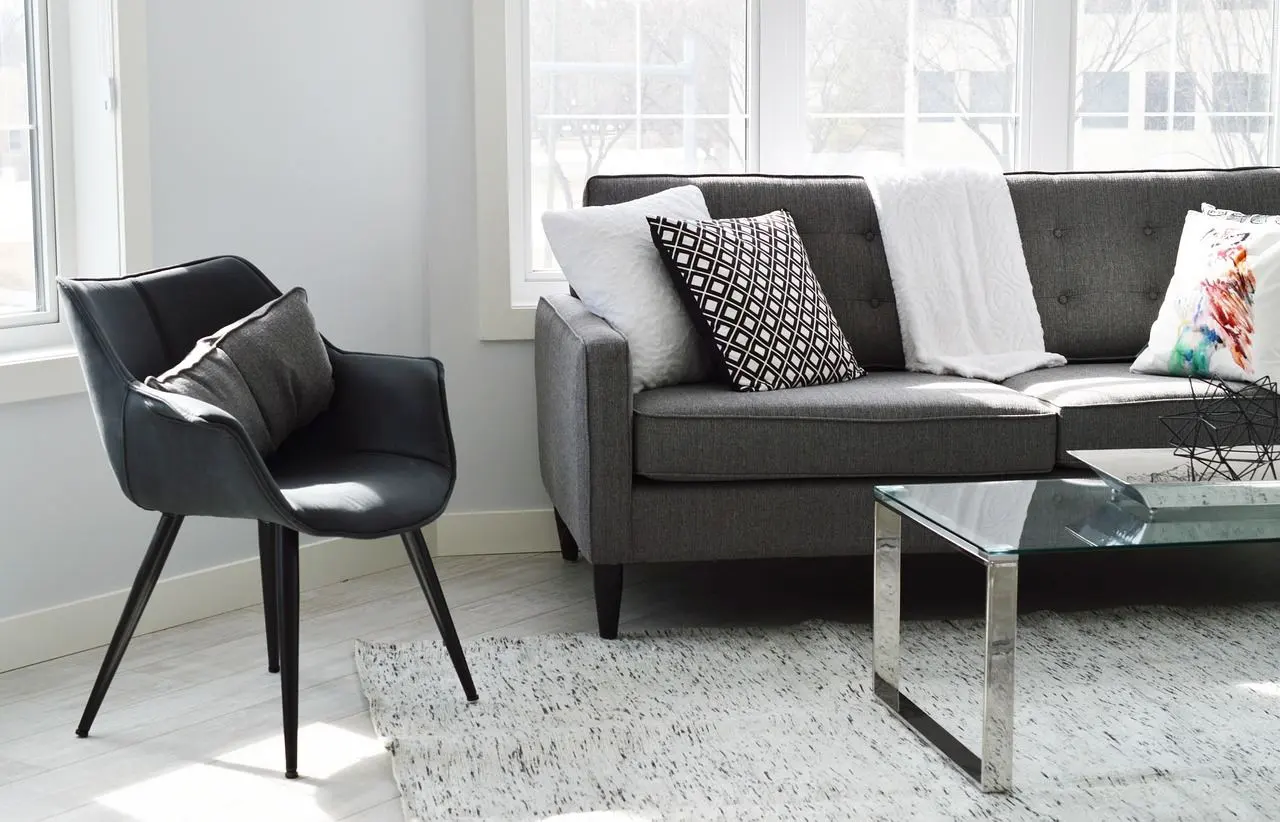
- Floating rug: a smaller rug inside the seating area, with every leg off it.
For the first layout, This Old House advises leaving 12-18 inches of floor space around the perimeter. If you prefer a custom border-to-wall look, designer Stacey Dobrovolny told Homes & Gardens you can leave anywhere between 8 to 24 inches of flooring around the space, though that needs a made-to-measure rug.
Retailer Ruggable’s size guide pairs room and rug dimensions closely. It says a 9’x12′ rug fits a 12’x18′ or larger living room, while an 8’x10′ rug fits an 11’x13′ or slightly larger room.
For smaller rooms, the same guide says a 6’x9′ or 6.5’x9.5′ rug works best in an 11’x13′ or smaller living room. In a small living room, a 5’x7′ rug will fit under a coffee table, or in front of a fireplace with two chairs sitting almost completely on it.
Dining room rug sizes: leave room for the chairs
A dining rug has to cope with chairs being pulled out and pushed back. If a chair leg catches on the rug edge, the rug is too small.
Start by measuring the table, then add clearance on every side. This Old House suggests adding 24-30 inches on all sides, and says the rug should extend at least 24 inches beyond the table’s edge so chair legs don’t catch.
Designer Sarah Thurston agrees on the floor figure: she told Homes & Gardens that her team allows 24 inches past the edge of a table as a minimum. Also keep the rug from running right up against a buffet or sideboard, as designer Stacey Dobrovolny cautions in the same article.
Bedrooms, entryways and finishing touches
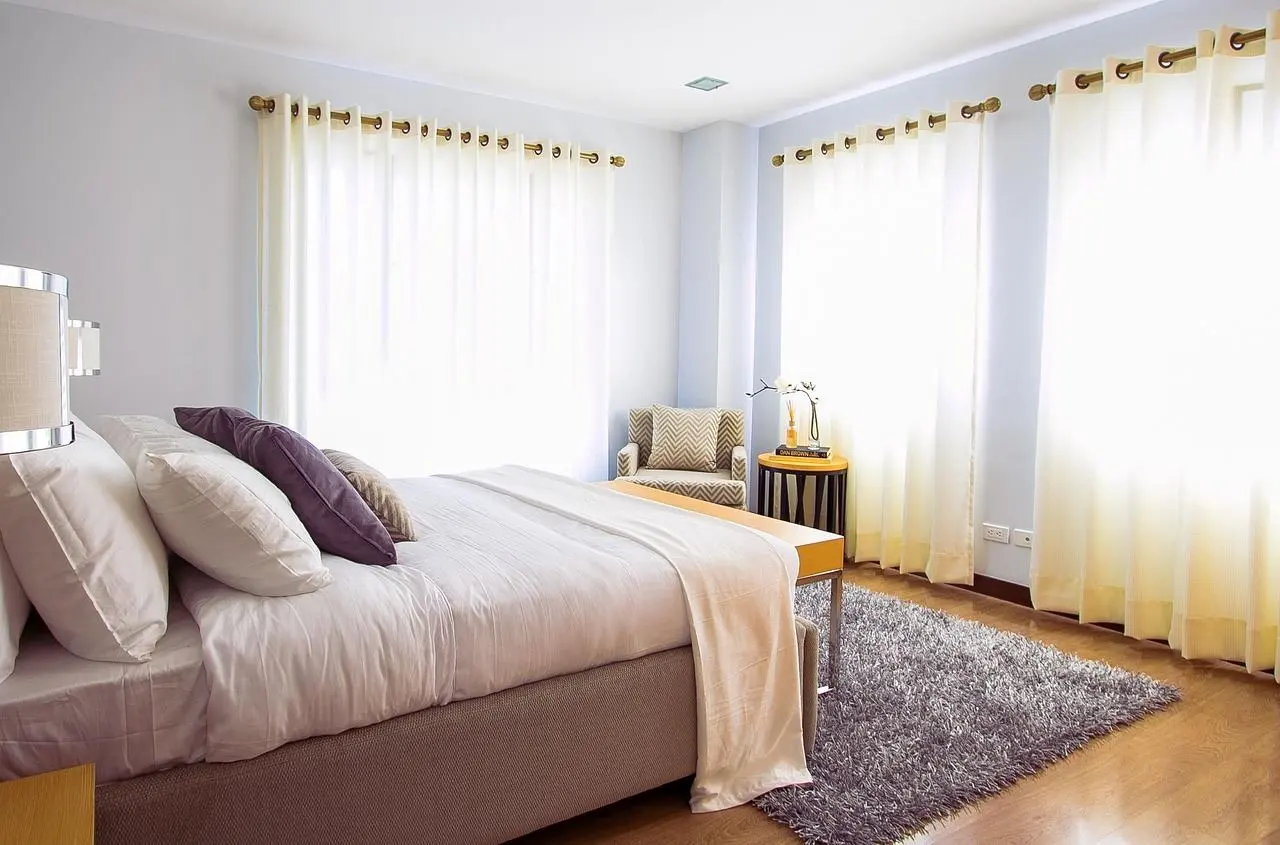
Bedrooms follow the same logic as living rooms: choose by the furniture footprint, then check the tape outline. According to This Old House, an 8′ x 10′ is versatile for medium-sized bedrooms, and a 5′ x 8′ suits smaller ones.
Narrow spaces call for a different approach. A 2′ x 3′ rug is the typical pick for a small entryway, and the same guide suggests multiple rugs in one room to define separate activities, such as a play area or a reading nook.
Once the size is settled, how to mix patterns in a room will help you decide how bold the rug can be. If you’re updating the whole space, how to hang curtains correctly is a useful companion read.
Frequently asked questions
Should the front legs of the sofa sit on the rug?
Show answer
Either approach can work. Ruggable’s guide says to make sure the front legs of your seating fit on the rug without cramping the space, or to size down so that no legs touch it, as shown on its size guide.
How much extra rug do dining chairs need?
Show answer
Designer Stacey Dobrovolny leaves approximately 18 to 24 inches around the whole table so the chairs can slide back and stay on the rug, as she explained to Homes & Gardens.
What rug suits a small apartment living room?
Show answer
According to Ruggable, a 4’x6′ rug should be big enough to cover most of the floor area of a small, apartment-size living room.
Can I use more than one rug in a room?
Show answer
Yes. This Old House suggests separate rugs to mark out different activities in a family room, for example a children’s play area or a reading corner.