Crowded cabinet, cluttered counter? Here is how to organize a bathroom so you can find things fast: empty it, sort by use, give each group a home, and lock medicines away.
This guide sits within the wider topic of home organization, which covers every room of the house.
| Item | Key fact |
|---|---|
| Households with medicines | Almost every American has prescription or over-the-counter medicines at home (2022 University of Michigan report) |
| Leftover prescriptions kept for later | 37% of people, per a 2019 survey |
| Recommended storage for medicines | A locked cabinet, closet, or safe |
| Recommended disposal route | Drug take-back programs, where available |
| Retail prescriptions filled each year in the U.S. | More than four billion (Statista estimate) |
| Date of the EPA guidance used here | Last updated November 12, 2026 |
These figures come from the EPA’s page on safe storage of medicines in the home. They can change, so check the source before you rely on them.
Start by emptying and sorting everything
The fastest way to a tidy bathroom is to take everything out before you put anything back. Clear the cabinet, the drawers, the shelf under the sink and the counter, then wipe each surface while it is bare.
Sort the pile on a clean towel or bed. Work through it in this order:
- Throw away anything empty, broken, dried out or that you no longer use.
- Group what is left by purpose: skin care, hair care, dental care, shaving, first aid, cleaning supplies and spare toiletries.
- Pull out all medicines and keep them separate for the storage step below.
- Decide what you use daily and what you only reach for now and then.
Be honest about duplicates and half-used products. A shelf holding six near-identical items rarely helps you get ready faster.
How should you set up the cabinet?
Match the position of each item to how often you reach for it. The daily essentials belong at eye level or elbow height, while backups and rarely used items go on the top shelf or at the back.
Containers do most of the work in a small space. Shallow bins, small trays and clear boxes keep categories together and let you slide a whole group out at once.
- Use a tray for small items that roll or tip, such as tweezers and nail clippers.
- Give each family member a labelled bin if you share the cabinet.
- Keep cleaning products in a caddy on the lowest shelf or under the sink.
- Store spare toilet paper, towels and refills together so you can see when one runs low.
Pharmacy receipts and appointment slips tend to drift into bathroom drawers. That paper is a separate job, and the guide on how to organize paperwork at home shows where it belongs instead.
Keep the counter nearly clear
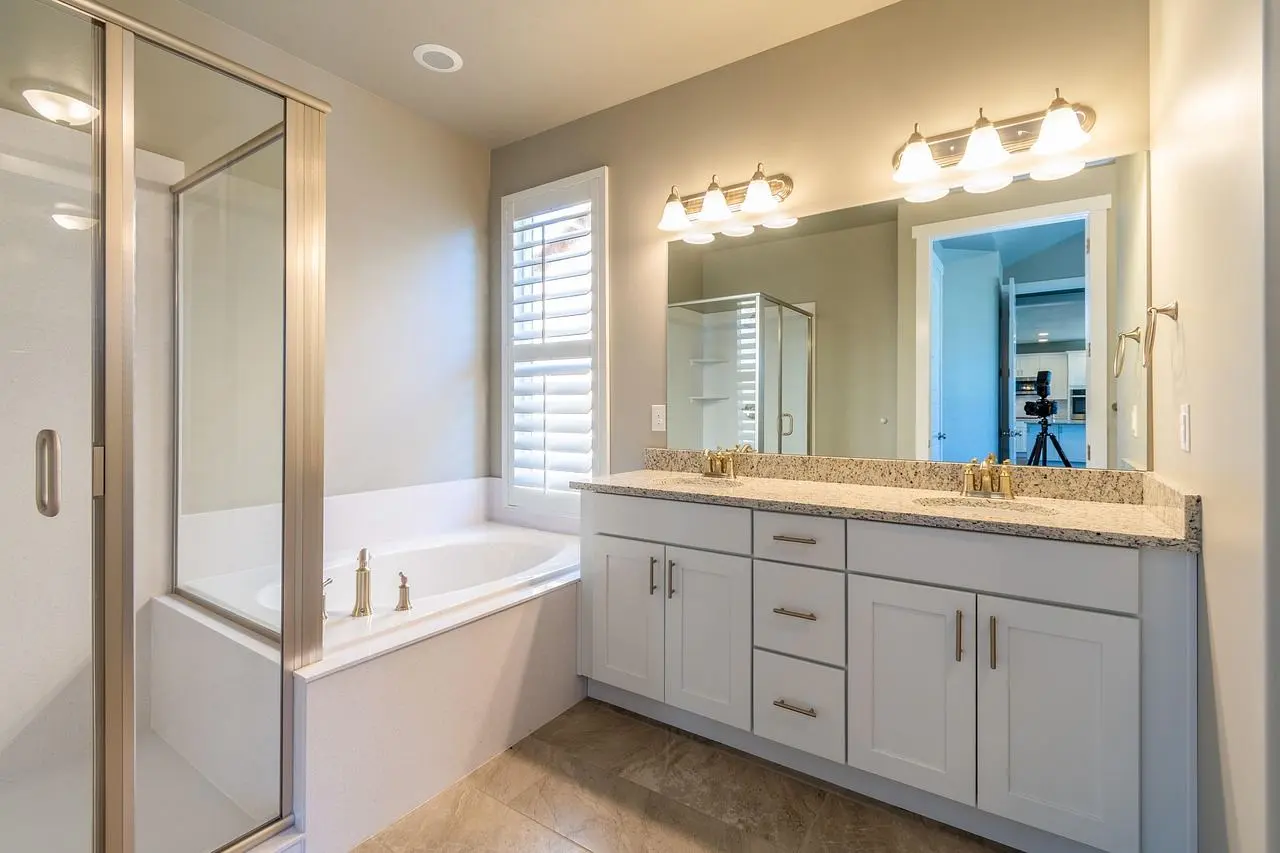
A counter works best as a working surface, not storage. Leave out only what you use every single day, such as a toothbrush holder and a soap dispenser, and put everything else behind a door.
A single tray can corral the items that stay out. It makes wiping down quicker, because you lift one object instead of moving ten.
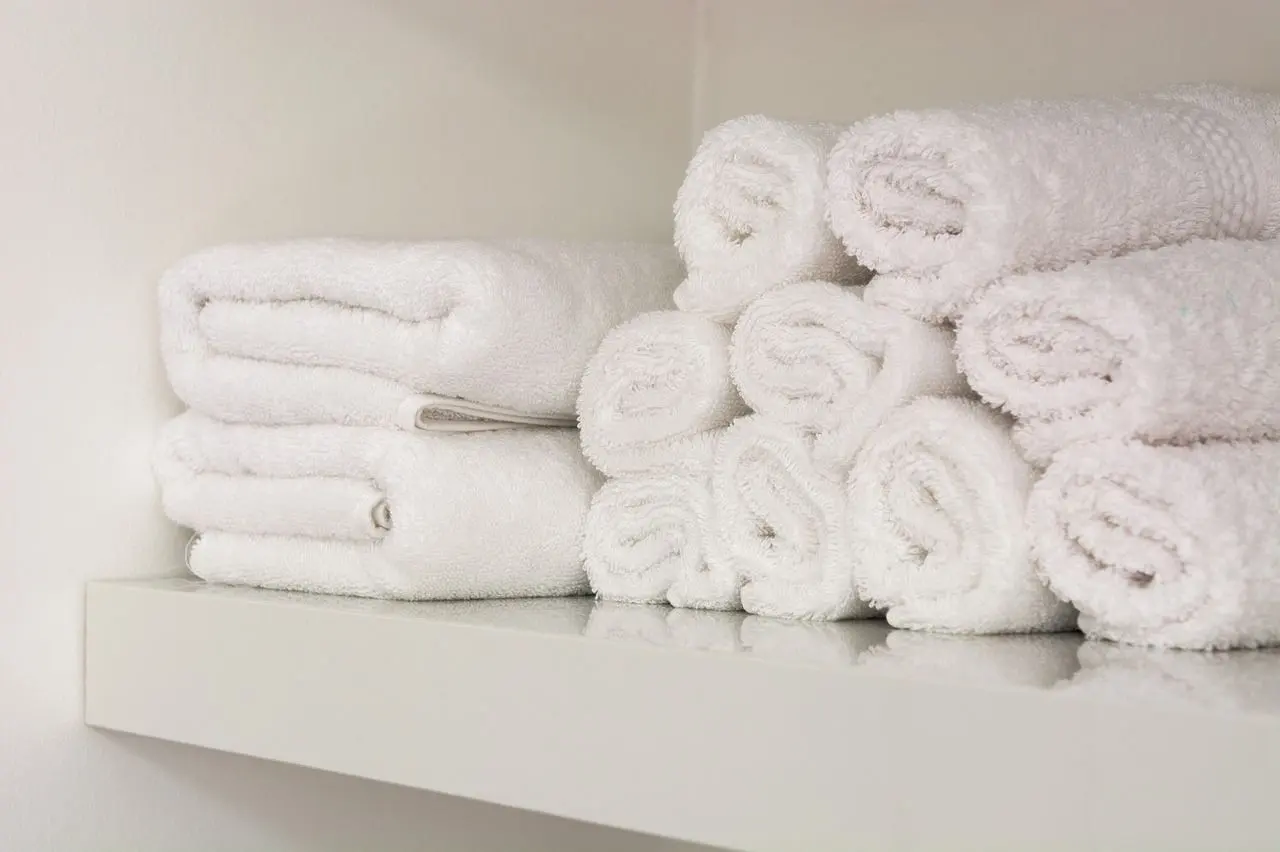
Wall-mounted shelves, over-the-door hooks and slim rolling carts add space without taking floor room. Check the wall type and use fixings that suit it. For anything involving wiring or plumbing behind the wall, ask a licensed professional.
Where should medicines go?
Medicines deserve their own rule: store them so others cannot reach them. As of the EPA’s page last updated November 12, 2026, the agency recommends keeping household medicines in a locked cabinet, closet, or safe, as explained on its safe storage guidance.
You do not need a special product. The same page says any robust locking compartment serves the purpose, and it names locked fire boxes and gun safes as other options built to limit access and resist tampering.
Many homes hold more medicines than people realise. The EPA cites a 2022 University of Michigan report finding that almost every American has prescription or over-the-counter medicines at home, and a 2019 survey showing that 37% of people kept leftover prescriptions for future use.
That second habit is worth rethinking while you sort. The EPA advises using drug take-back options for unwanted medicines whenever they are available, rather than letting them pile up on a shelf.
Build a routine that keeps it tidy
Organizing once is the easy part; a short routine keeps the result. Put a small bin by the door for empties, and take a minute at the end of each day to return items to their bins.
- Do a quick reset each evening: counter wiped, tray tidy, towels hung.
- Check expiry dates and empties each time you restock.
- Buy a replacement only when the backup comes out, not before.
- Review the whole cabinet when the seasons change.
The same sort, contain and label method carries over to other rooms. If the kitchen is next, the ideas in these pantry organization ideas follow the same logic.
Frequently asked questions
What should I do first when my bathroom is a mess?
Show answer
Empty every surface and shelf so you can see what you own. Discard the obvious waste, then group the remainder by purpose before choosing any containers.
Is it fine to keep old prescriptions in case I need them again?
Show answer
The EPA describes keeping leftover prescriptions as not recommended. It points households toward take-back programs for medicines they no longer need, per its page updated November 12, 2026. Ask your pharmacist about local options.
Do I need a dedicated medicine safe?
Show answer
No. According to the same EPA page, any sturdy locking compartment can do the job, whether that is a locked cabinet, a closet or a safe.
How many items should stay on the counter?
Show answer
Aim for as few as you can manage. Daily-use items such as a soap dispenser and toothbrush holder can stay out, ideally gathered on one tray.
Can I add shelves or fixtures myself?
Show answer
Simple wall-mounted shelves are a common do-it-yourself task if you choose suitable fixings. Leave anything involving electrical wiring, gas or plumbing to a licensed professional.