Short on room and long on stuff? The best multifunctional furniture for small spaces is a few large pieces that hide storage or double up as seating, beds or desks, not many small items.
This guide is part of our wider look at small space living, and it focuses on which hard-working pieces earn their footprint.
| Item | Value |
|---|---|
| Furniture scale | A few large, impactful pieces rather than lots of small items |
| Banquette seating | Bench seat with drawer and cupboard storage underneath |
| Shelving | Storage that can also act as a room divider |
| Living room desk | Pull-out desk that makes a discreet study area |
| Bedroom base | Divan with large storage drawers |
These points come from Ideal Home’s April 2015 feature on multi-functional furniture. Design advice and product ranges change, so check the source before you rely on it.
What makes furniture work hard in a small room?
A hard-working piece does more than one job: it might be a seat and a store, or a table that changes size. The aim is to cut the number of separate objects in the room, not simply to buy smaller ones.
Natalia Miyar, Design Director at Helen Green, takes a bold line on scale, as quoted in the Ideal Home feature. She likes large-scale furniture because it makes a space seem bigger and more luxurious.
Her rule is to choose carefully and buy a few large, impactful pieces rather than clutter a room with lots of small items. A handful of generous, multi-purpose pieces usually reads as calmer than a crowd of little ones.
Living room pieces that double up
The living room is often where one space has to serve as lounge, dining spot and workspace. The same feature suggests choosing pieces that double up as a discreet study area with a pull-out desk, so work can be tucked away at the end of the day.
If you also need a proper workstation, our small home office ideas cover how to fit one into a compact home.
Mila Podiablonska of Absolute Interior Décor suggests coffee tables and ottomans with plenty of space beneath or inside, to help you de-clutter. She also calls sofa beds great multi-functional pieces.
- Storage coffee table: keeps throws, remotes and magazines out of sight.
- Ottoman: works as a footrest, extra seat and hidden store.
- Sofa bed: gives guests a place to sleep without a spare room.
- Pull-out desk: turns a living area into a study when needed.
Bedroom and dining choices
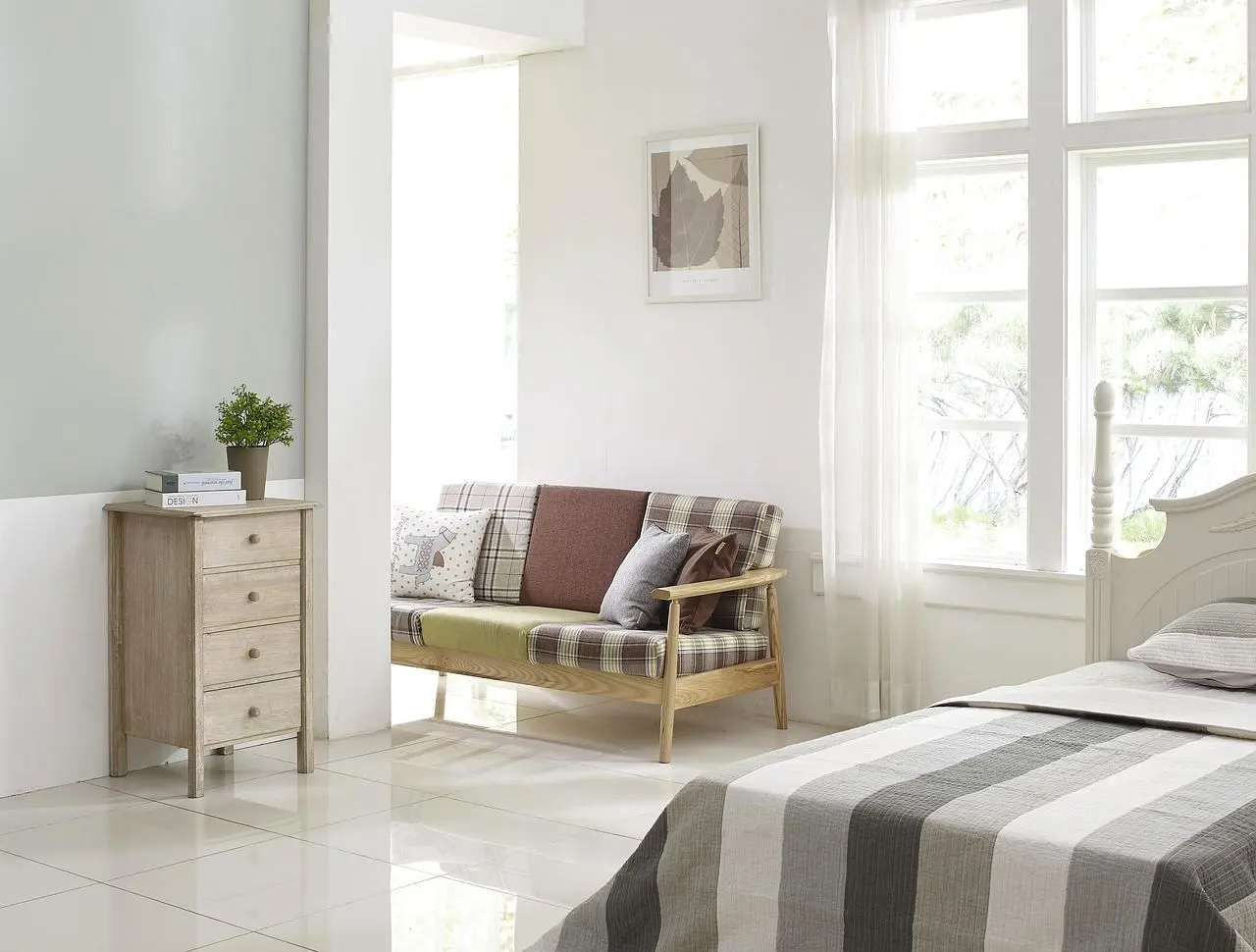
In the bedroom, the feature recommends a divan with large storage drawers. This turns the dead space under the bed into a place for bedding or out-of-season clothes.
For eating, it advises extendable dining tables. You can keep the table compact day to day and open it out only when guests arrive.
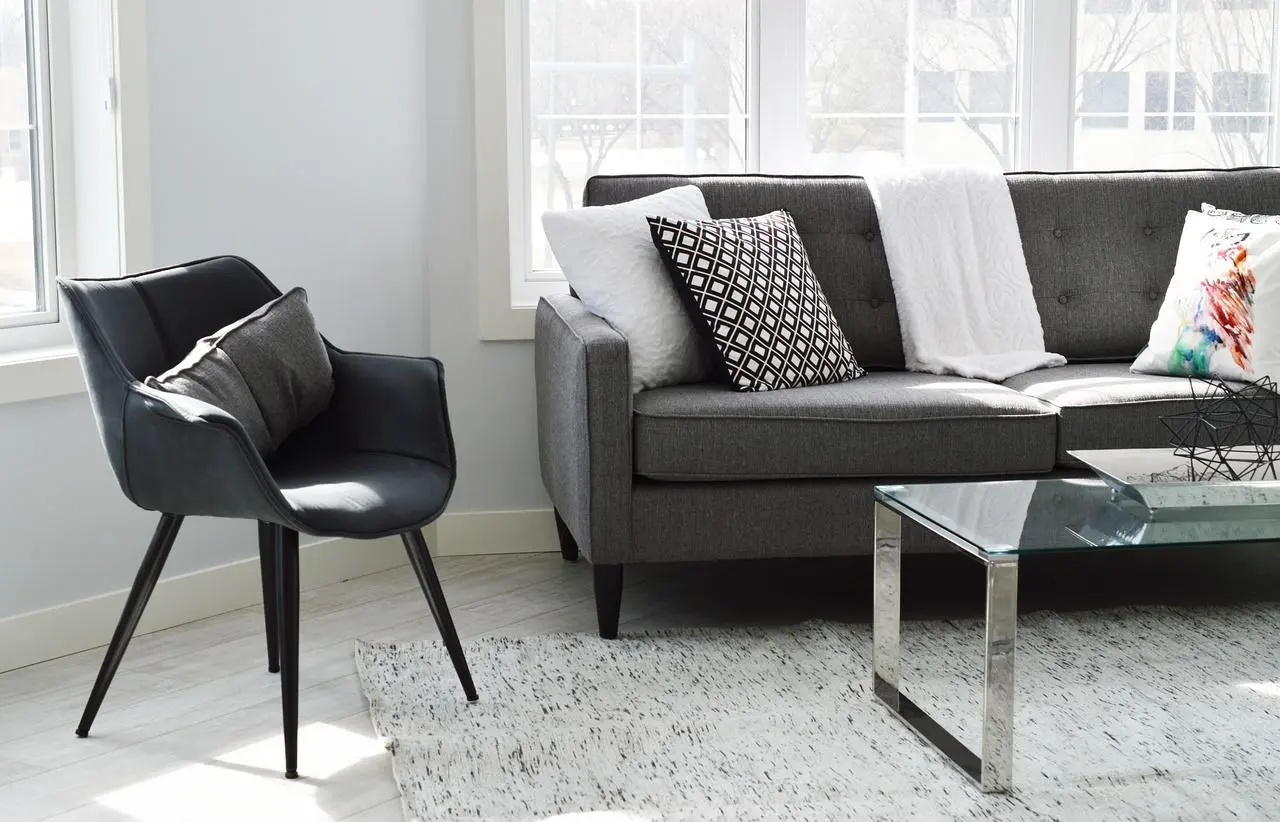
Glass is another option. One designer quoted in the feature says glass tables create an open feel while keeping their function, and mirrors will visually enlarge the space.
Storage that doubles as seating or a divider
Anna Richmond of Conley & Co suggests installing banquettes in the kitchen or living area. As Ideal Home reports, they double as bench seating with a padded cushion on top, plus drawer and cupboard storage underneath.
If the kitchen is where space runs shortest, our small kitchen storage ideas go further on cupboards and worktops.
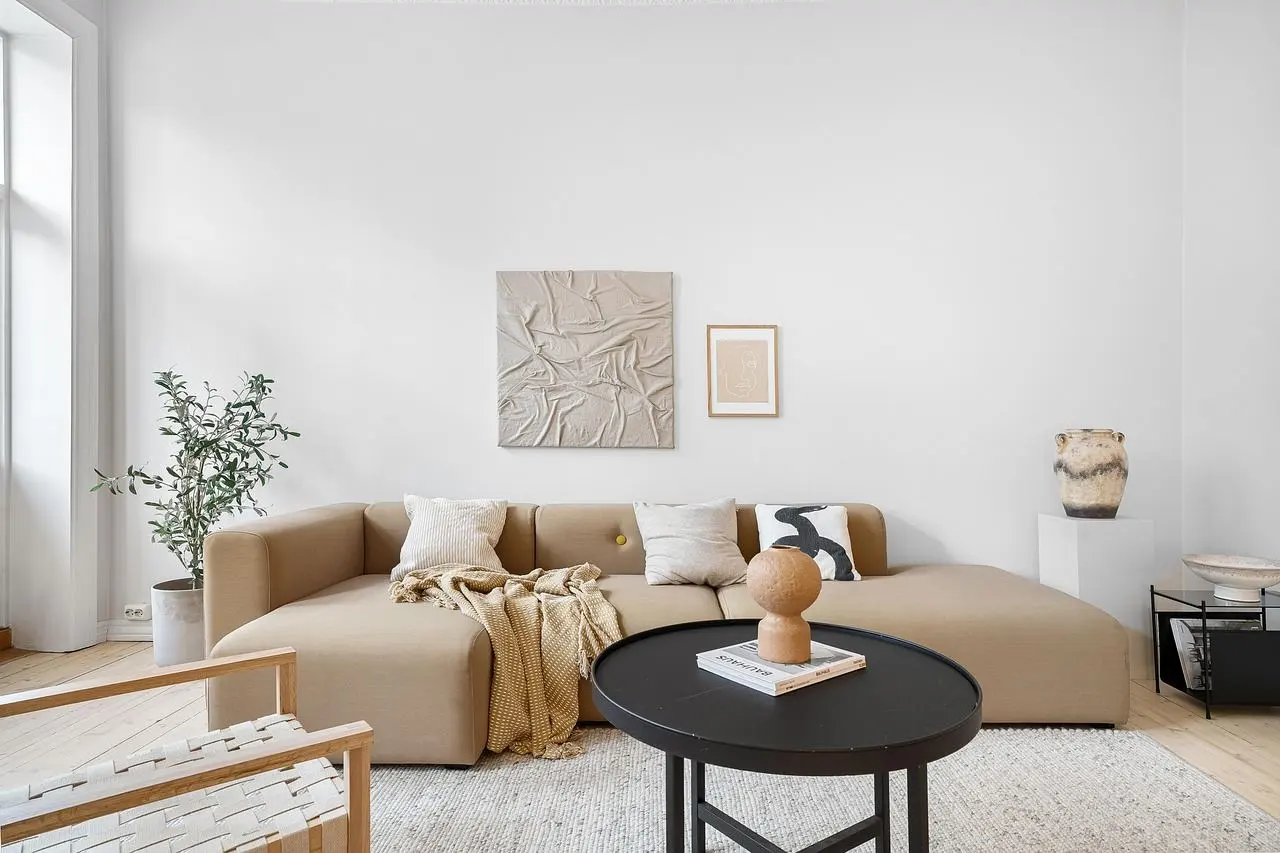
Shelving is a simple way to add storage and, in the feature’s words, it can act as a room divider. Open shelves can also give compact rooms a sense of spaciousness.
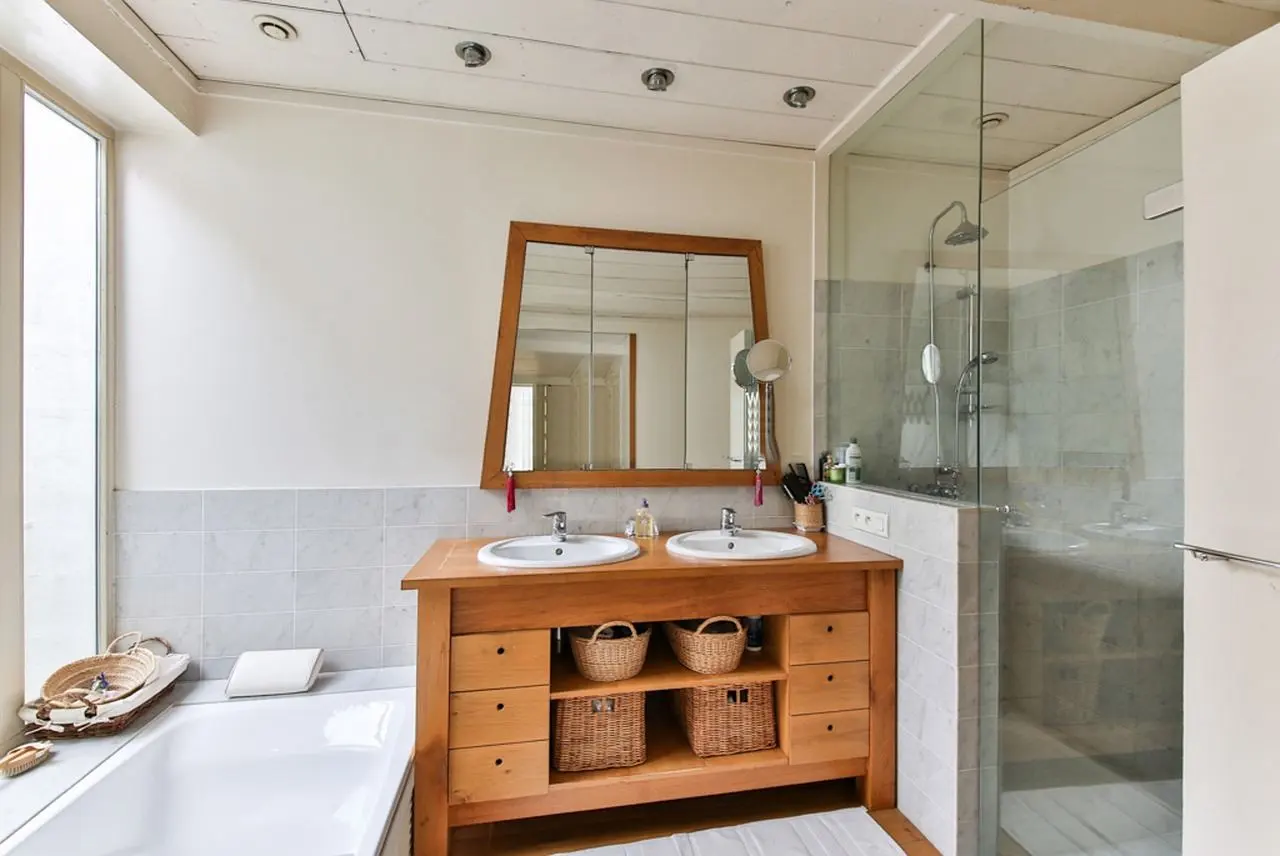
Mirrored cabinetry on push-latch systems is another idea from the same designer. It bounces light around and helps cupboards disappear in a bathroom, bedroom or hallway while hiding plenty of storage.
The designer also suggests lighting inside deeper kitchen cupboards. Any new wiring should be planned and fitted by a qualified electrician, as should any structural change to walls or fixed units.
How to plan before you buy
The feature’s starting point is simple: plan your furniture around the functions you need. Decide first what the room must do, then look for pieces that do two of those things at once.
- List the jobs the room has to cover, such as sleeping, working, storing and hosting.
- Match each job to a piece that combines it with another, like a bed with drawers or a bench with a store.
- Measure the space and the route into it, including doors and stairs, before ordering anything large.
- Choose fewer, larger items over many small ones.
On budget and finish, the feature notes that going bespoke allows a totally tailored result. It adds that stylish options are also available on the high street.
Frequently asked questions
Do I need bespoke furniture to make a small room work?
Show answer
No. Made-to-measure work gives the most precise fit, but ready-made ranges can also do the job, according to the Ideal Home feature.
Will large furniture make a small room feel crowded?
Show answer
Not necessarily. The designers quoted favour a few substantial pieces over a scatter of small ones, because fewer items leave the room looking less cluttered.
Which pieces help most with clutter?
Show answer
Anything with hidden volume: ottomans, coffee tables with space inside or beneath, banquettes with drawers, and beds on divan bases with large drawers.
How can I make a small room look more open?
Show answer
The feature points to glass-topped tables and mirrors, which reduce visual obstruction. Open shelving can add to that lighter feel.